
I am Michael Damilare Aina, a biological scientist and aquaculture nutrition researcher focused on improving feed performance, fish nutrition, sustainable aquaculture, and food-product development.
My work spans aquaculture nutrition, experimental feed formulation, alternative proteins, fish growth and development, laboratory analysis, water-quality management, biological research, and food-product R&D.
Through my academic research and professional experience, I have worked with experimental diets, feed production, nutritional analysis, fish performance assessment, biological sampling, and production-quality processes.
My work sits at the intersection of biological science, aquaculture nutrition, sustainable feed development, and food innovation, with a focus on translating scientific findings into practical improvements in aquaculture and food production.
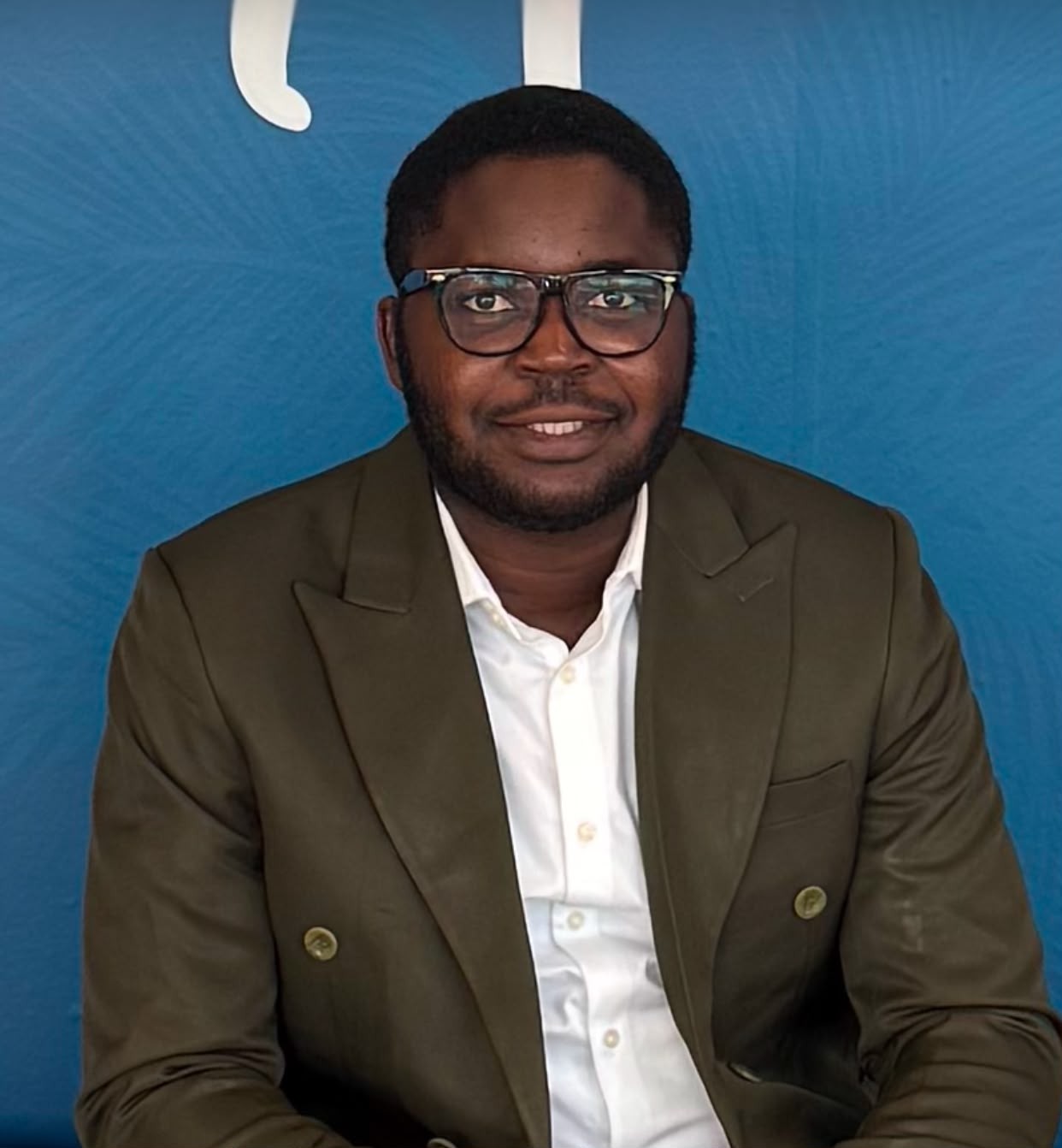
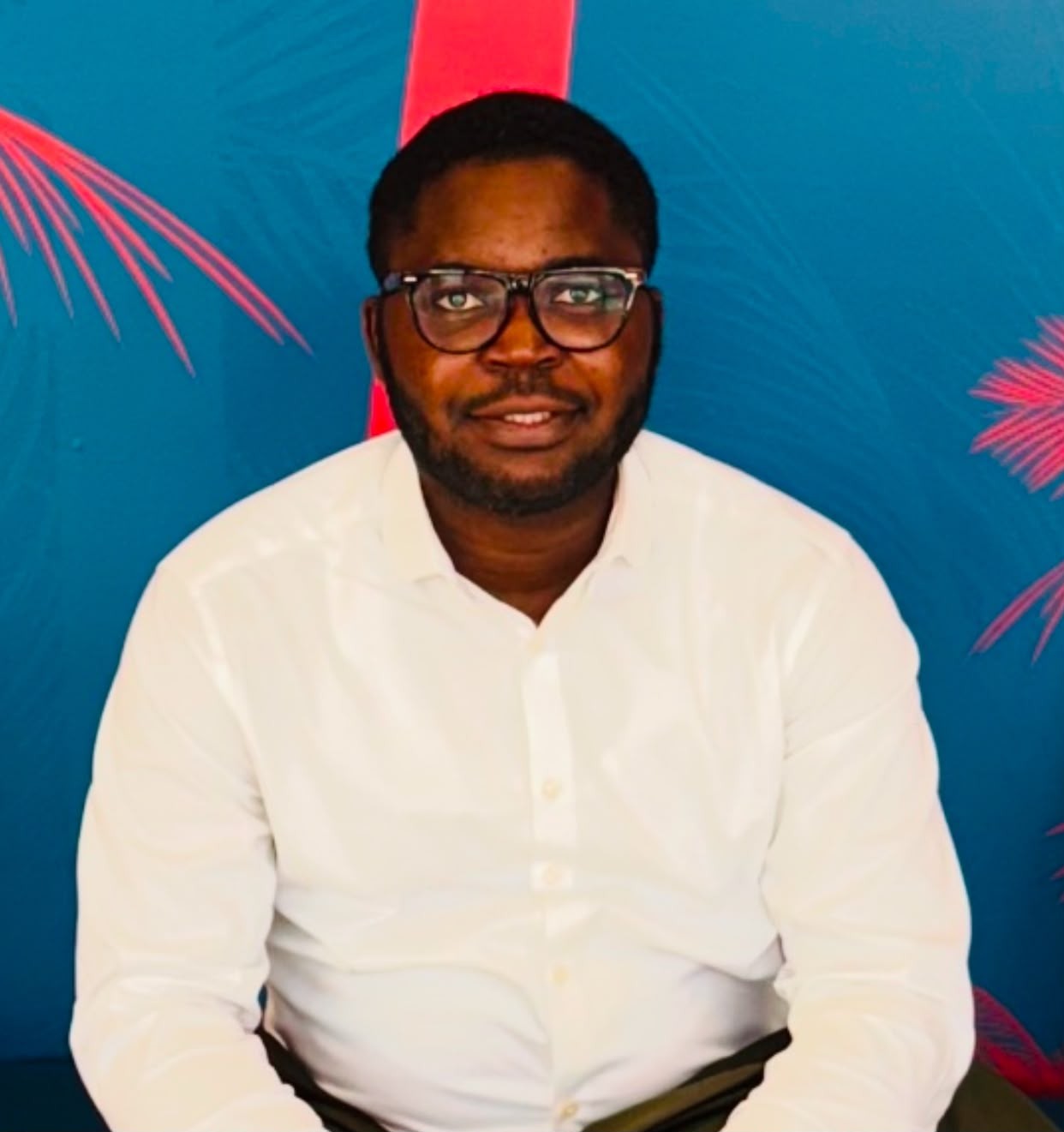
My professional journey has been shaped by an interest in applying biological science to practical challenges in aquaculture nutrition, food production, and sustainable agriculture.
I earned a Master of Science in Biological Sciences from Florida Atlantic University, where my research focused extensively on fish nutrition, experimental diets, larval development, feed evaluation, and biological performance.
I previously earned a Bachelor of Science in Aquaculture and Fisheries Management from the Federal University of Agriculture, Abeokuta, where I developed my foundation in fisheries biology, aquaculture production, fish nutrition, and aquatic systems.
My research experience has involved feed formulation, pellet production, proximate feed analysis, HPLC-supported analysis, rotifer culture and enrichment, fish growth sampling, biological specimen collection, and statistical evaluation of Feed Conversion Ratio, Specific Growth Rate, and survival.
What distinguishes my work is my ability to connect laboratory science, aquaculture nutrition, biological performance, and practical food-product development.
At Florida Atlantic University, I conducted research in fish nutrition, larval development, experimental feed evaluation, and sustainable aquaculture.
My work involved preparing experimental diets, producing feed pellets, conducting nutritional and biochemical analysis, monitoring fish growth, measuring biological performance, and analyzing research data using statistical methods.
My research also examined the palatability of formulated diets incorporating Black Soldier Fly protein in Red Drum, contributing to the growing scientific interest in alternative protein sources for sustainable aquaculture.
Beyond academic research, my work extends into commercial food-product development, where I support product optimization, pilot testing, laboratory evaluation, quality processes, and the development of fresh, shelf-stable, and fully cooked food products.
These experiences have shaped my broader interest in improving the connection between scientific research, sustainable nutrition, and practical food production.
AQUATEVA™ is an aquaculture evaluation framework I developed to help researchers, feed developers, and producers systematically assess aquaculture nutrition, feed performance, biological response, production conditions, and sustainable value.
The framework draws from my background in biological sciences, aquaculture nutrition, experimental feed formulation, alternative protein research, laboratory analytics, fish-performance evaluation, and food-product development.
AQUATEVA™ addresses a central aquaculture challenge: feed formulations are often evaluated through individual indicators without a unified method for determining how nutritional quality, feed efficiency, fish growth, survival, environmental conditions, and sustainability interact.
AQUATEVA™ moves aquaculture feed evaluation beyond isolated nutritional or growth measurements toward integrated performance intelligence.
Through five stages — Assess, Quantify, Understand, Analyze, and Translate — the framework evaluates nutritional quality, feed utilization, biological response, production conditions, and sustainable value.
AQUATEVA™ introduces the Aquaculture Value & Efficiency Index (AVEI™), a 0–100 scoring system designed to translate these indicators into an interpretable measure of overall aquaculture performance.
The framework is designed to support aquaculture researchers, fish farms, feed manufacturers, alternative protein developers, hatcheries, universities, laboratories, and sustainable food organizations.
Evaluates the nutritional quality and suitability of aquaculture feed before broader performance analysis.
AQUATEVA™ examines feed composition and determines whether the formulation provides an appropriate nutritional foundation for the target species and life stage.
The framework evaluates:
Laboratory analysis can be incorporated where appropriate to strengthen nutritional evaluation.
Impact: Helps determine whether a feed formulation has an adequate nutritional foundation before larger feeding trials or production decisions.
Measures how effectively fish accept and utilize the feed.
AQUATEVA™ evaluates feed performance using measurable feeding and efficiency indicators.
The framework evaluates:
Experimental formulations can be compared against control or conventional diets to determine whether they provide practical feeding benefits.
Impact: Helps distinguish nutritionally promising formulations from feeds that deliver measurable utilization and efficiency.
Determines how fish respond biologically to a feed formulation or feeding strategy.
AQUATEVA™ connects nutritional and feed-performance information with measurable biological outcomes.
The framework evaluates:
Statistical analysis can be used to determine whether observed differences between experimental groups are meaningful.
Impact: Helps establish whether feed performance translates into measurable growth, development, and survival outcomes.
Evaluates environmental and operational conditions that may influence aquaculture performance.
AQUATEVA™ recognizes that poor growth or feed efficiency may result from environmental conditions rather than feed formulation alone.
The framework evaluates:
These indicators provide context for interpreting feed and biological performance.
Impact: Helps distinguish nutrition-related weaknesses from environmental and production-related problems.
Combines the framework's nutritional, biological, environmental, and feed-performance indicators into one interpretable decision score.
AQUATEVA™ introduces the:
Aquaculture Value & Efficiency Index (AVEI™)
The AVEI™ combines five indicators:
The indicators are weighted and converted into a 0–100 Aquaculture Value & Efficiency Index.
AVEI™ Performance Interpretation
0–24 | Low | Significant improvement required 25–49 | Developing | Optimize key weaknesses 50–69 | Viable | Improve identified areas 70–100 | Strong | Consider broader application
Impact: Converts multiple aquaculture indicators into a transparent performance score that helps researchers and producers determine where improvement or further validation is required.
| AVEI™ Score | Level | Interpretation |
|---|---|---|
| 0–24 | Low | Significant improvement required |
| 25–49 | Developing | Optimize key weaknesses |
| 50–69 | Viable | Improve identified areas |
| 70–100 | Strong | Consider broader application |
I support research and development activities involving fresh, shelf-stable, and fully cooked food products.
My work includes product development and optimization, pilot-plant and laboratory testing, sample preparation, product evaluation, drained-weight testing, product cuttings, quality-improvement data, documentation, and collaboration across R&D, production, pilot-plant, and quality teams.
This role extends my scientific background into commercial food-product innovation and quality improvement.
I conducted biological research focused on fish nutrition, larval development, experimental diets, feed formulation, and sustainable aquaculture.
My work involved feed production, proximate analysis, HPLC-supported nutritional analysis, rotifer culture and enrichment, fish sampling, morphometric measurements, biological specimen collection, and statistical evaluation.
I also monitored recirculating aquaculture systems and water-quality conditions while maintaining research documentation and laboratory procedures.
I contributed to research involving aquaculture production, water quality, sustainable farming, and biological and environmental monitoring.
My work included field sampling, measurement of water-quality parameters, data documentation, technical reporting, and recommendations for improving productivity and resource utilization.
My undergraduate research examined biological characteristics of Chromidotilapia guntheri, including morphometric measurements, meristic characteristics, stomach-content analysis, and length-weight relationships.
This work strengthened my foundation in fisheries biology, aquatic research, and scientific analysis.
Field Assistant
Fish Farm Estate – Federal Ministry of Agriculture and Rural Development
I supported practical fish-farming operations involving breeding, grow-out activities, feeding schedules, pond inspection, harvesting, and farm maintenance.
I also participated in training fish farmers on artificial reproduction techniques, strengthening my experience in translating aquaculture knowledge into practical application.
My research interests center on aquaculture nutrition, sustainable feed development, alternative protein sources, fish growth, biological performance, and aquaculture production systems.
A key area of my research has involved evaluating formulated diets containing Black Soldier Fly protein for Red Drum.
This work examined feed palatability and contributes to the broader scientific effort to identify sustainable alternatives to conventional aquaculture feed ingredients.
I presented this research through Aquaculture America Conference 2024 and the Integrative Biology Conference 2024.
My broader research experience includes experimental diet development, proximate feed analysis, fish growth assessment, FCR and SGR analysis, survival evaluation, larval development, and water-quality monitoring.
My academic and research journey has been supported by recognition for research and mentorship.
I received a Graduate Research Assistantship at Florida Atlantic University, supporting my graduate research in biological sciences and aquaculture nutrition.
I also received a 2024 Travel Grant supporting my participation in scientific activities and was recognized with an Exceptional Mentor Award for my contribution to mentoring and academic development.
I maintain professional engagement with organizations supporting aquaculture, fisheries science, and sustainable aquatic-food systems.
My professional affiliations include:
These affiliations support my continued engagement with developments in aquaculture research, fisheries science, sustainable production, and professional practice.
My innovation work focuses on translating aquaculture research and biological data into practical systems that can improve feed evaluation and production decisions.
AQUATEVA™ represents my landmark work in this area.
The framework integrates nutritional assessment, feed efficiency, biological performance, production conditions, and sustainable value within one structured evaluation architecture.
Its proprietary Aquaculture Value & Efficiency Index (AVEI™) provides a standardized 0–100 measure for interpreting overall performance.
Through AQUATEVA™, my goal is to help bridge the gap between aquaculture experimentation and practical feed and production decisions.
My graduate training strengthened my expertise in biological research, aquaculture nutrition, laboratory analysis, experimental design, fish performance, and scientific data analysis.
My undergraduate training established my foundation in aquaculture production, fisheries biology, aquatic systems, fish nutrition, research, and sustainable fisheries management.
Together, these programs provide the scientific and technical foundation for my work in Aquaculture Nutrition and Sustainable Food Product Innovation.
My broader professional objective is to advance practical approaches to aquaculture nutrition, sustainable feed development, biological performance, and food innovation.
Aquaculture must continue to increase production while addressing feed efficiency, ingredient sustainability, environmental conditions, and biological performance.
Alternative protein sources provide significant opportunities, but they must be evaluated through structured scientific methods before wider adoption.
Through AQUATEVA™, I am advancing an approach that evaluates not simply whether an aquaculture feed works, but how efficiently it works, under what production conditions, with what biological outcome, and whether the total evidence supports broader application.
My capabilities span aquaculture nutrition, experimental feed development, biological research, food-product R&D, laboratory analysis, fish-performance evaluation, sustainable aquaculture, water-quality management, and statistical analysis.
My laboratory and research experience includes HPLC, proximate feed analysis, bomb calorimetry, feed mixing and pellet production, fat and fiber analysis, moisture analysis, microscopy, centrifugation, RAS management, and water-quality monitoring.
I also work with experimental design, SOPs, laboratory documentation, Good Laboratory Practices, statistical analysis using R and SPSS, data interpretation, product testing, and quality-improvement processes.
I engage with researchers, aquaculture organizations, universities, feed developers, food companies, and agricultural stakeholders interested in improving aquaculture nutrition and sustainable food production.
My areas of engagement include aquaculture nutrition, alternative proteins, sustainable feed development, fish-performance evaluation, biological research, food-product innovation, and AQUATEVA™ assessment and implementation.
Whether you are an aquaculture producer, feed manufacturer, research institution, university, hatchery, alternative protein developer, food company, or agricultural organization, I am interested in collaborations that apply biological science to improve nutrition, production efficiency, and sustainability.
My work can support organizations seeking to evaluate aquaculture feeds, investigate alternative protein ingredients, improve feed efficiency, assess biological performance, strengthen research methods, develop sustainable food products, or evaluate aquaculture performance through AQUATEVA™.
Connect With MeI welcome opportunities to collaborate on research, innovation, and initiatives advancing aquaculture nutrition, sustainable feed systems, biological science, and food-product development.
Biological Scientist & Aquaculture Nutrition Researcher
Food Product R&D Specialist
Creator of AQUATEVA™